Democratizing Wealth: The Rise of Fractional Asset Ownership Through Tokenization

The landscape of global investment is undergoing a profound paradigm shift. Historically, high-value asset classes such as prime real estate, fine art, and luxury collectibles were the exclusive domain of institutional investors and ultra-high-net-worth individuals. The significant capital requirements created insurmountable barriers to entry for the average investor. However, the advent of blockchain technology has introduced a transformative mechanism known as Fractional Asset Ownership via digital tokenization. This innovation is not merely a technological upgrade but a democratization of wealth, allowing for the partition of tangible assets into tradable digital tokens.
The Mechanics of Tokenization
At its core, tokenization involves converting the rights to an asset with significant economic value into a digital token on a blockchain. This process leverages Distributed Ledger Technology (DLT) to ensure transparency, immutability, and security.

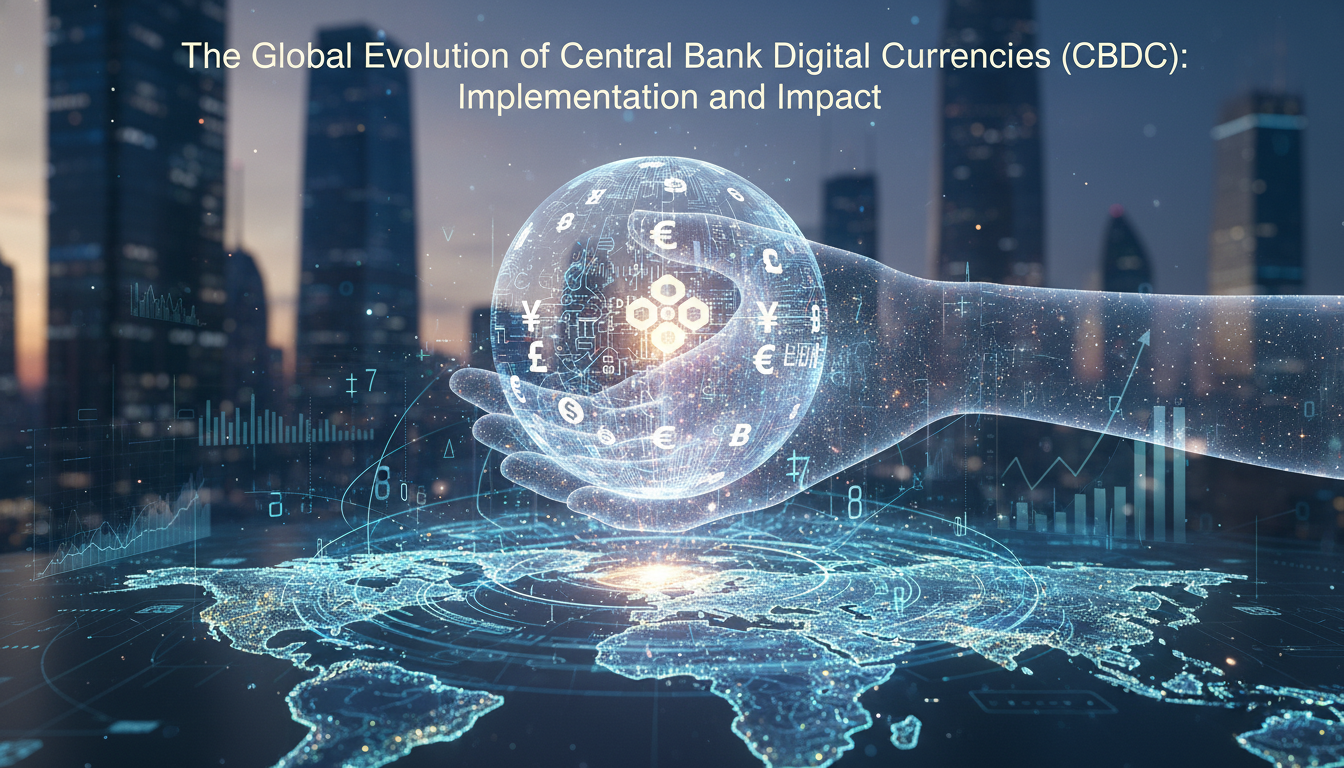

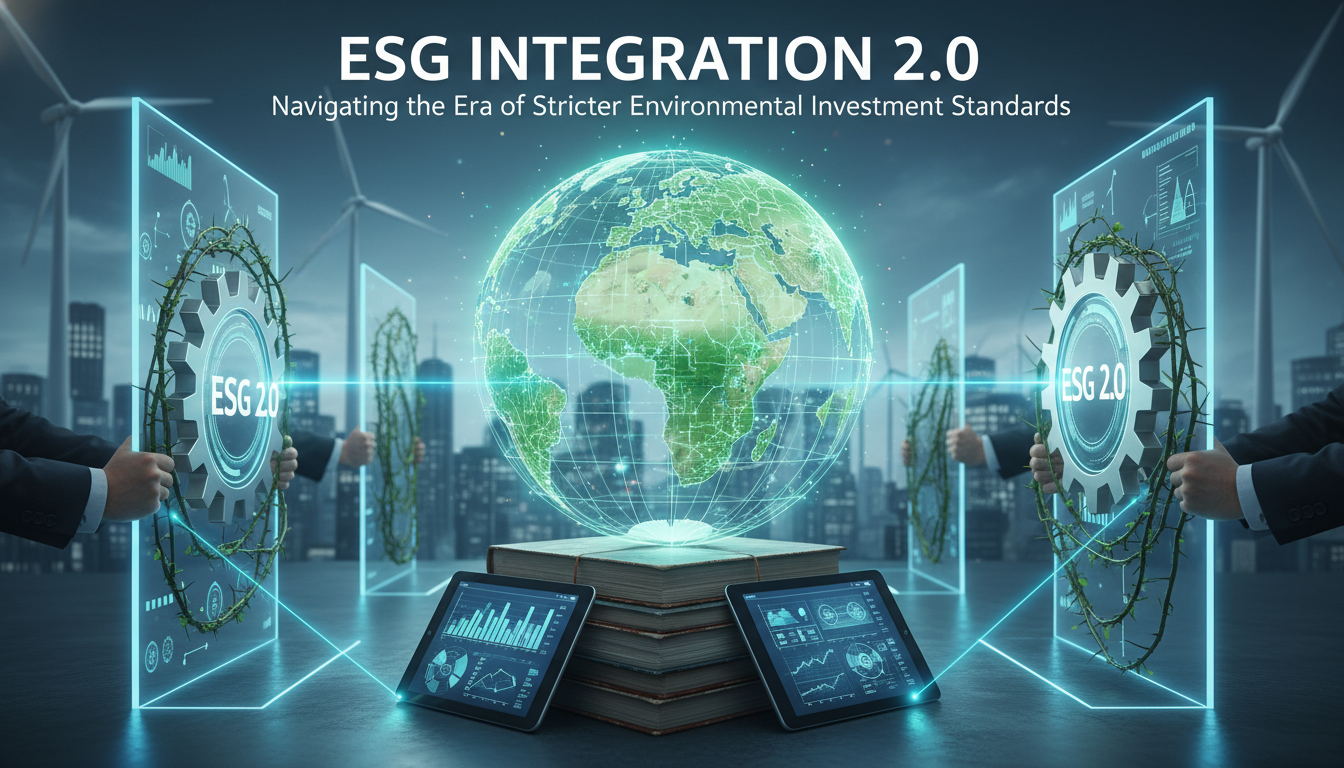
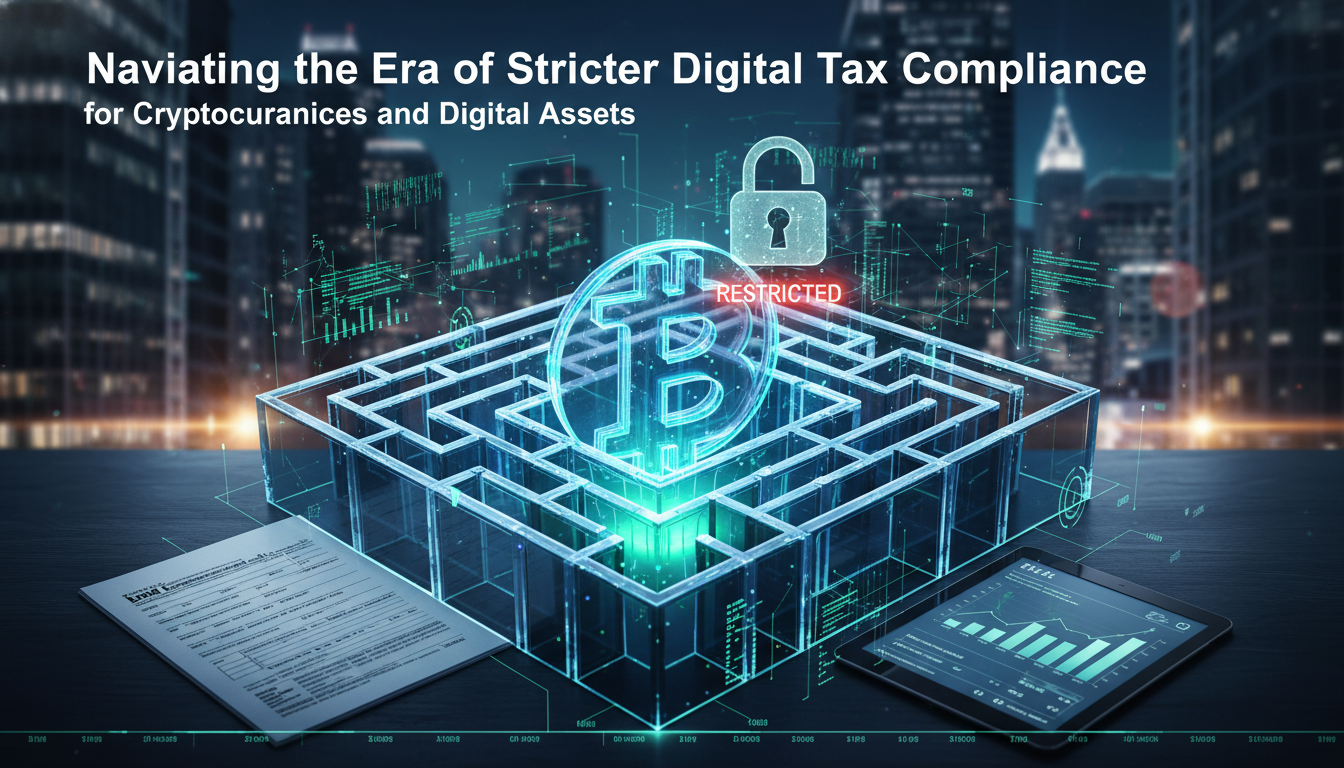
When an asset is tokenized, it is typically held by a Special Purpose Vehicle (SPV) or a custodian. The ownership of this entity is then fragmented into digital shares, or tokens. Smart contracts—self-executing contracts with the terms of the agreement directly written into code—automate processes such as dividend distribution, voting rights, and compliance with securities regulations.
[IMAGE_PROMPT: A photorealistic 3D rendering of a luxury skyscraper composed of glowing digital blocks being assembled, illustrating the concept of fractional ownership and tokenization in a professional financial setting, cinematic lighting, 8k resolution.]
Strategic Advantages for Investors
The shift toward fractional ownership offers compelling benefits that address long-standing inefficiencies in traditional markets:
- Enhanced Liquidity: Illiquid assets, such as a commercial building or a Picasso painting, typically require months to sell. Tokenization creates secondary markets where investors can trade fractional shares almost instantly, thereby reducing the liquidity premium associated with these assets.
- Lower Barriers to Entry: By splitting an asset worth millions into thousands of tokens, the minimum investment threshold drops significantly. An investor can now own a fraction of a Manhattan apartment or a vintage Ferrari for a few hundred dollars.
- Portfolio Diversification: Fractional ownership enables investors to spread capital across a broader array of asset classes and geographies, mitigating risk more effectively than holding a single, high-value asset.
- Operational Efficiency: Blockchain reduces reliance on intermediaries such as brokers and lawyers for transaction settlement, lowering administrative costs and execution time.
Real-World Applications
While the technology is agnostic, certain sectors have seen accelerated adoption of fractional ownership models:
1. Real Estate: This is the most prominent sector for Real World Asset (RWA) tokenization. Investors can earn passive income from rental yields and benefit from capital appreciation without the burdens of property management.
2. Fine Art and Collectibles: Masterpieces that sit in freeports are now accessible to the public. Platforms allow investors to buy shares in paintings, democratizing the appreciation potential of blue-chip art.
3. Intellectual Property: Royalties from music, patents, and copyrights can be tokenized, providing creators with upfront capital and investors with recurring revenue streams.
[IMAGE_PROMPT: A high-resolution close-up of a classic oil painting in a museum gallery, with a sophisticated semi-transparent digital overlay showing a grid of ownership data, charts, and cryptocurrency symbols, symbolizing art tokenization, photorealistic style.]
Regulatory Landscape and Challenges
Despite the promising outlook, the sector faces significant hurdles. The regulatory environment regarding security tokens remains complex and varies by jurisdiction. Authorities such as the U.S. Securities and Exchange Commission (SEC) and the European Securities and Markets Authority (ESMA) are actively working to define frameworks that protect investors without stifling innovation.
Furthermore, the valuation of the underlying assets must be accurate and transparent. If the physical asset is damaged or the custodian fails, the value of the digital token could be jeopardized. Therefore, robust legal structures and reputable custody solutions are prerequisites for mass adoption.
[IMAGE_PROMPT: A diverse group of business professionals in suits sitting around a sleek conference table reviewing holographic charts representing global asset markets and blockchain data, office background with city skyline, professional atmosphere, 8k resolution.]
Conclusion
Fractional asset ownership through digital tokenization represents a maturation of the financial markets. By decoupling asset ownership from high capital requirements, this model fosters a more inclusive financial ecosystem. While regulatory and technical challenges persist, the trajectory suggests that tokenized real-world assets will become a staple of modern investment portfolios, bridging the gap between traditional finance (TradFi) and the digital economy.