Open Finance Framework: The New Standard for Transparent Financial Data Exchange

The global financial ecosystem is undergoing a profound transformation, driven by the rapid evolution of digital technology and a paradigm shift towards consumer data ownership. At the forefront of this revolution is the Open Finance Framework. While Open Banking laid the foundation by allowing third-party access to payment account data, Open Finance expands this horizon significantly. It represents a new standard for sharing financial data across a much broader spectrum of institutions—including insurance, investments, pensions, and mortgages—facilitating a more transparent, competitive, and inclusive financial landscape.
Defining the Open Finance Framework
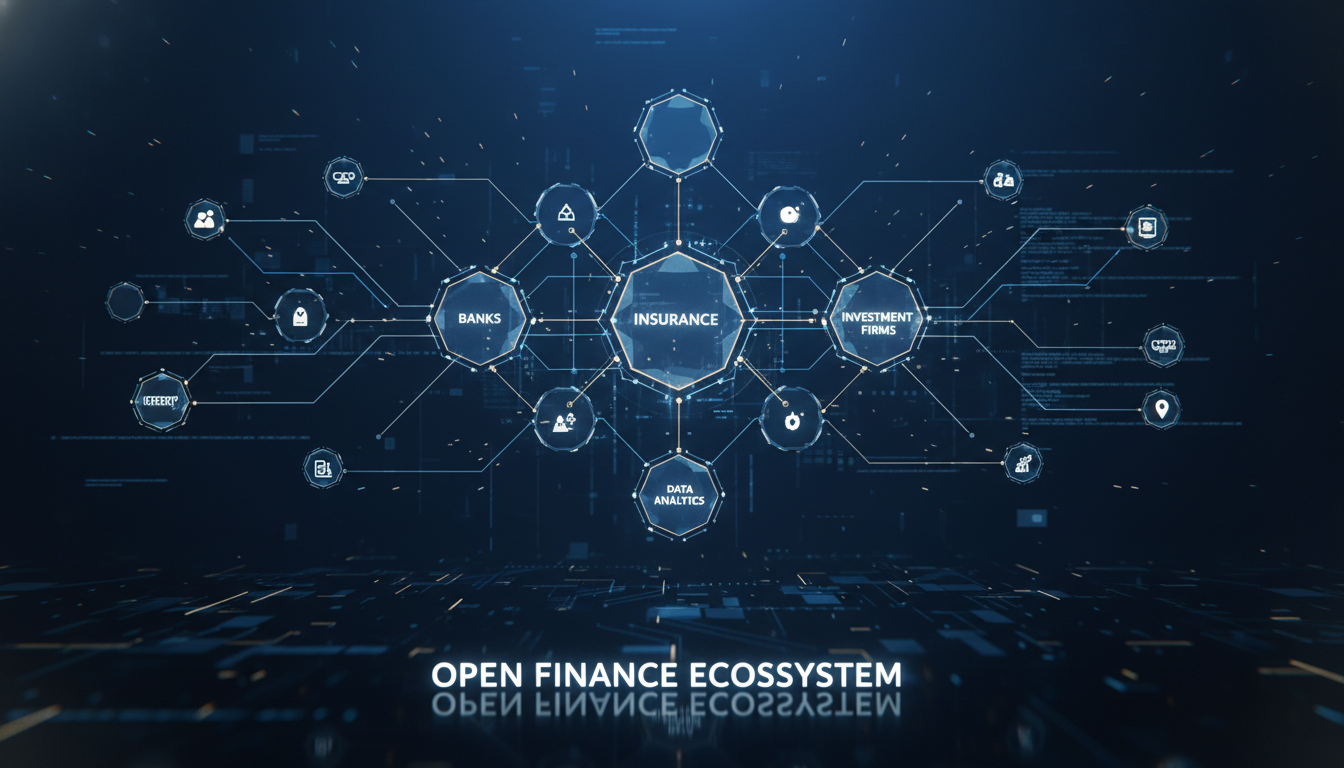
Open Finance is an extension of Open Banking principles. It is a regulatory and technological framework that enables the secure sharing of customer-permissioned data between a wide range of financial sector participants. unlike the traditional siloed model, where a bank holds a monopoly over a customer’s financial history, Open Finance democratizes this data.



Through the use of standardized Application Programming Interfaces (APIs), financial institutions can exchange data securely and in real-time. This interoperability ensures that consumers have a holistic view of their financial health and can access tailored products that suit their specific economic profiles.
The Core Pillars of Transparency and Control
The primary objective of the Open Finance Framework is to enhance transparency. Historically, financial products have been opaque, making it difficult for consumers to compare services or switch providers effectively. Open Finance addresses this by fostering an environment where data portability is the norm.
Key Principles:
- Consumer Consent: The user remains the ultimate owner of their data. No information is shared without explicit, informed consent.
- Standardization: To function effectively, institutions must adopt common data standards and API protocols, ensuring that a mortgage provider can speak the same digital language as a pension fund.
- Security: With increased data sharing comes increased responsibility. Robust encryption and authentication protocols (such as FAPI and OAuth 2.0) are mandatory to protect sensitive financial information.
Benefits for the Financial Ecosystem
The transition to an Open Finance Framework offers tangible benefits for all stakeholders involved, from consumers to legacy institutions and FinTech challengers.
1. For Consumers: Individuals gain a 360-degree view of their finances. Personal Finance Management (PFM) apps can aggregate data from multiple sources, offering automated advice on savings, debt management, and investment strategies.
2. For Businesses and SMEs: Small businesses can access streamlined lending processes. By sharing real-time cash flow data rather than just historical accounts, SMEs can secure credit more easily and at better rates.
3. For Institutions: While it increases competition, it also drives innovation. Incumbent banks can partner with FinTechs to offer new value-added services, transitioning from simple custodians of money to comprehensive financial concierges.

Challenges and Regulatory Considerations
Despite the clear advantages, implementing an Open Finance Framework is not without challenges. The complexity of aggregating data from disparate legacy systems is significant. Furthermore, the expansion of data sharing surfaces necessitates rigorous cybersecurity measures to prevent fraud and data breaches.
Regulators play a critical role here. They must strike a delicate balance between fostering innovation and protecting consumer rights. Frameworks such as the GDPR in Europe and various consumer data rights acts globally are instrumental in shaping how Open Finance evolves. Trust is the currency of this new system; without it, consumer adoption will stall.
The Future of Financial Interoperability
As we look toward the future, the Open Finance Framework serves as a stepping stone toward an “Open Data” economy, where data sharing extends beyond finance into utilities, telecommunications, and retail. This convergence will create a hyper-personalized consumer experience.
Financial institutions that resist this shift risk becoming obsolete utilities. Conversely, those that embrace the Open Finance Framework will position themselves as central hubs in their customers’ digital lives, fostering loyalty through transparency and superior service delivery.

In conclusion, the Open Finance Framework is not merely a technical upgrade; it is a fundamental restructuring of the financial market. By mandating transparency and standardization, it empowers consumers and fuels the next wave of financial innovation.