The Rise of Biometric Payment Security: moving Beyond Passwords

Introduction
In the rapidly evolving landscape of financial technology, the mechanisms governing transaction security are undergoing a fundamental paradigm shift. The era of alphanumeric passwords and Personal Identification Numbers (PINs) is gradually receding, giving way to a more robust and frictionless method of authentication: Biometric Payment Security. This technology utilizes unique biological traits—most notably facial recognition and fingerprint scanning—to verify identity, offering a sophisticated alternative to traditional security measures that are increasingly vulnerable to fraud and cyber threats.
The Mechanics of Biometric Authentication in Finance
Biometric payment systems operate on the premise that while passwords can be stolen and tokens can be lost, biological markers are intrinsic to the individual. The process involves two critical stages: enrollment and verification. During enrollment, an individual’s biometric data is captured, encrypted, and stored as a template. During a transaction, the system captures a new sample and compares it against the stored template using complex algorithms.

Key Modalities: Fingerprint and Facial Recognition
While various biometric modalities exist, fingerprint scanning and facial recognition have emerged as the industry standards for consumer finance.
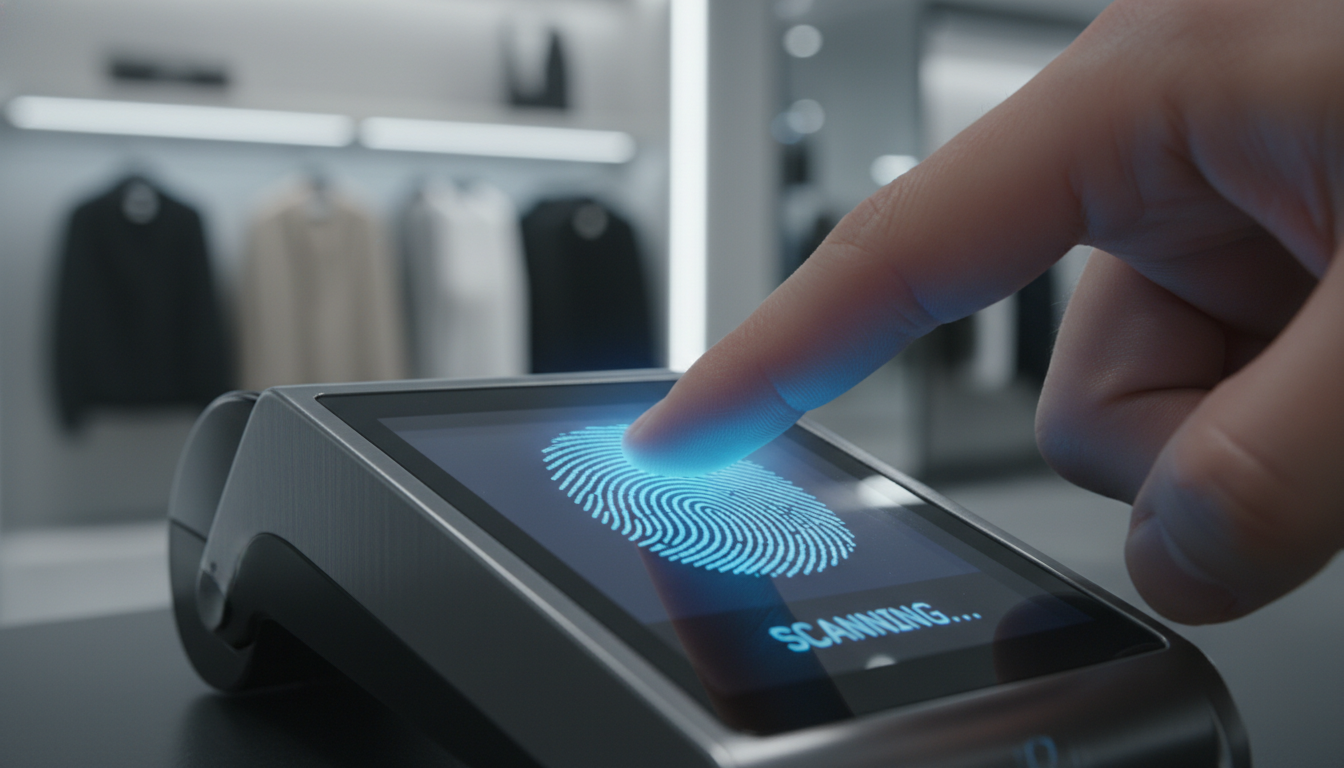
- Fingerprint Scanning: Leveraging the unique patterns of ridges and valleys on a finger, this method has become ubiquitous in mobile banking. It balances high accuracy with user familiarity.
- Facial Recognition: Utilizing 3D mapping and depth sensing, modern facial recognition technology can distinguish between a living face and a photograph or mask, significantly reducing the risk of spoofing.
Advantages Over Traditional Passwords
The transition to biometric security offers distinct advantages in both security and user experience (UX).
1. Enhanced Security: Biometric data is extremely difficult to replicate. Unlike passwords, which are often reused or weak, biological traits are unique. Furthermore, advanced liveness detection ensures that the biometric sample is coming from a live subject present at the point of capture.
2. Frictionless Experience: Biometrics eliminate the cognitive load of remembering multiple complex passwords. Transactions become faster and more intuitive, reducing cart abandonment rates in e-commerce.
3. Non-Repudiation: Biometric evidence provides a strong audit trail, making it difficult for a user to deny having authorized a specific transaction.

Challenges and Security Considerations
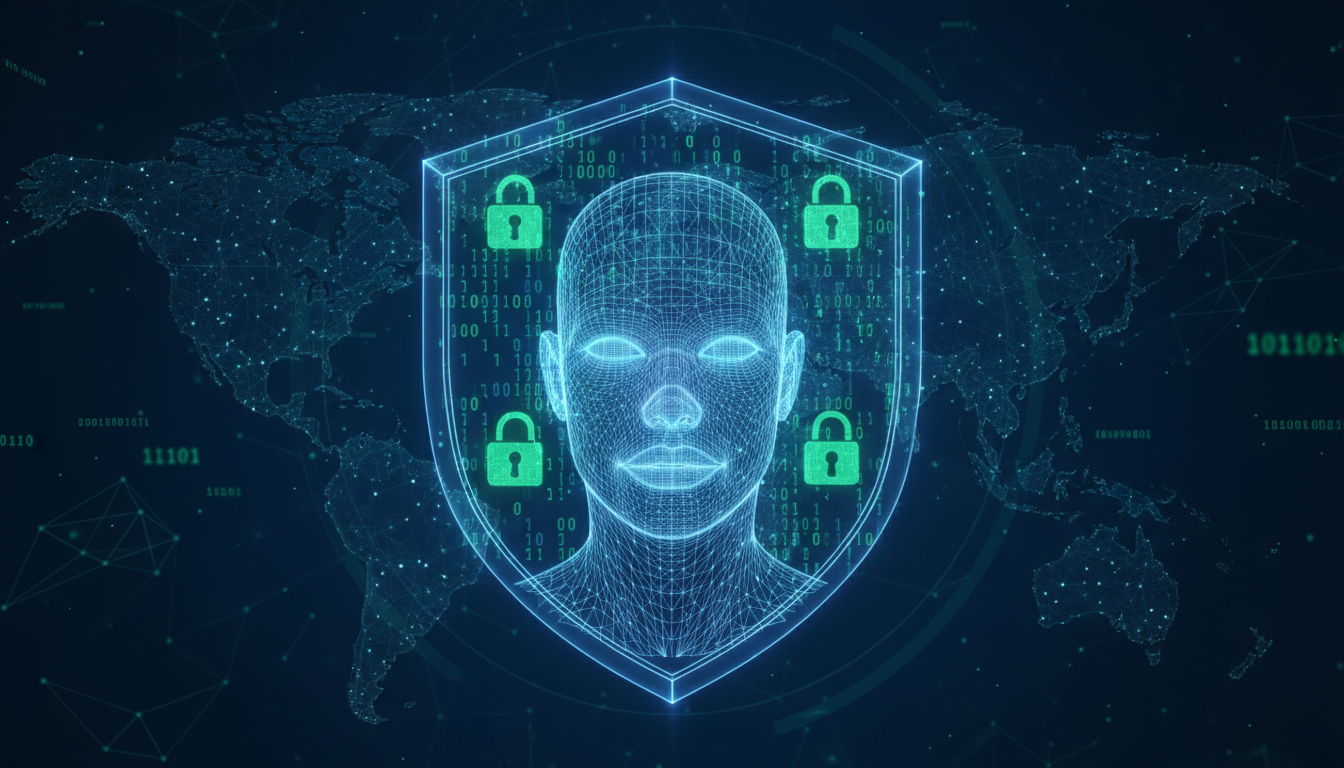
Despite its benefits, the adoption of biometric payments is not without challenges. The primary concern revolves around data privacy. unlike a password, which can be reset if compromised, a fingerprint or face cannot be changed. Therefore, financial institutions must employ military-grade encryption and tokenization to ensure that raw biometric images are never stored or transmitted. Instead, mathematical representations (hashes) are used.
Additionally, the industry faces the challenge of Deepfakes and advanced spoofing attacks. Security vendors are continuously updating algorithms to detect synthetic media and artificial replicas.
The Future of Secure Transactions
As we look toward the future, the integration of multimodal biometrics—combining face, fingerprint, and perhaps voice or iris recognition—will likely become the standard for high-value transactions. This layered approach provides an exponential increase in security.
In conclusion, biometric payment security represents a critical maturation in digital finance. By replacing fallible human memory with immutable biological traits, the financial sector is constructing a payment ecosystem that is not only more secure but also seamlessly integrated into the daily lives of consumers.